
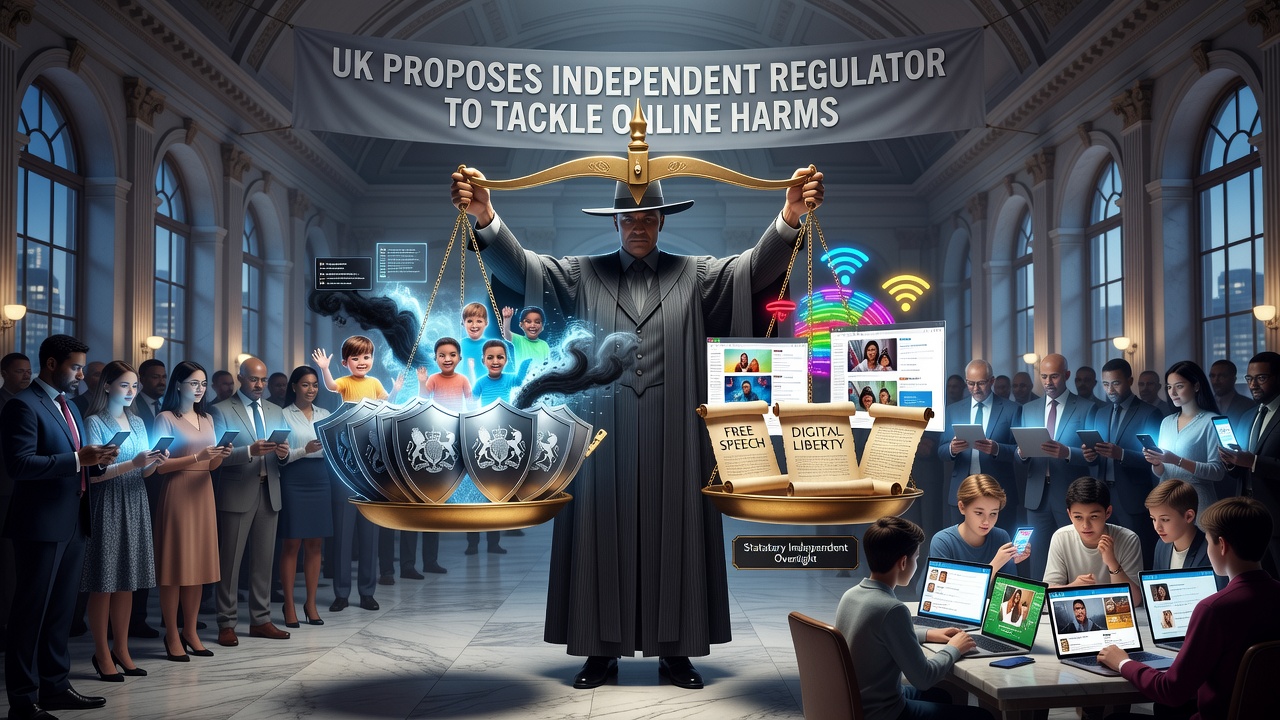
Nearly nine in ten UK adults are now online, along with 99% of children aged 12 to 15. That scale of connectivity has brought genuine benefits, but it has also created space for terrorist content, hate speech, bullying and other harmful material to spread with little friction. In response, the UK government has set out plans for a new regulatory framework designed to hold technology companies accountable for what happens on their platforms.
Why self-regulation fell short
For years, tech platforms have relied largely on internal policies to manage harmful content - community guidelines, content moderation teams, and voluntary takedown processes. Some companies invested seriously in safety tools. Others moved slowly, inconsistently, or only after public pressure following specific incidents. The proposed framework reflects a judgment that voluntary action alone cannot keep pace with the scale and speed at which harmful content circulates, particularly during fast-moving events when extremist material can reach large audiences within minutes.
Public concern reinforces the case for change. Two thirds of UK adults say they are concerned about content they encounter online, and close to half report having seen hateful material within the past year. Those figures point to a gap between what platforms currently manage and what users expect.
What a statutory regulator would actually do
Rather than leaving enforcement to individual companies, the plan places oversight in the hands of an independent regulator with defined powers. This marks a shift from informal expectations to formal accountability, and it changes how platforms must operate day to day.
- Setting clear, enforceable safety standards that companies must meet
- Requiring regular reporting on how harmful content is identified and handled
- Applying enforcement powers where companies fail to meet those standards
- Focusing particular attention on protecting children and countering illegal content
This model treats online safety as a matter of regulated conduct, similar in principle to how other sectors - financial services, broadcasting, gambling - operate under statutory oversight rather than self-policing alone. The UK framework is notable for attempting to address a broad range of online harms within one coherent structure, rather than legislating harm by harm, which is the approach several other countries have taken so far.
Balancing safety with an open internet
A central tension runs through the proposal: how to reduce harm without undermining freedom of expression or the openness that makes the internet valuable in the first place. Overly broad content restrictions risk suppressing legitimate speech, while narrow rules risk leaving gaps that harmful actors exploit. The government has framed its approach as protecting both safety and free expression, acknowledging that regulation must be precise rather than blunt.
For platforms, this means building moderation systems, reporting infrastructure and escalation processes that can withstand external scrutiny - not just internal review. For users, it signals a shift toward platforms being answerable to an outside body when safety failures occur, rather than relying solely on a company's own judgment about what counts as harmful.
The broader implication extends beyond any single platform. As digital services become further embedded in daily life, regulators in multiple sectors - including gaming, advertising and consumer protection - are moving toward frameworks that demand demonstrable accountability rather than assurances of good intent. This proposal positions online safety as the next major test of that principle.